Sector 102 // Deputy Sector Chief Oberon Glaw
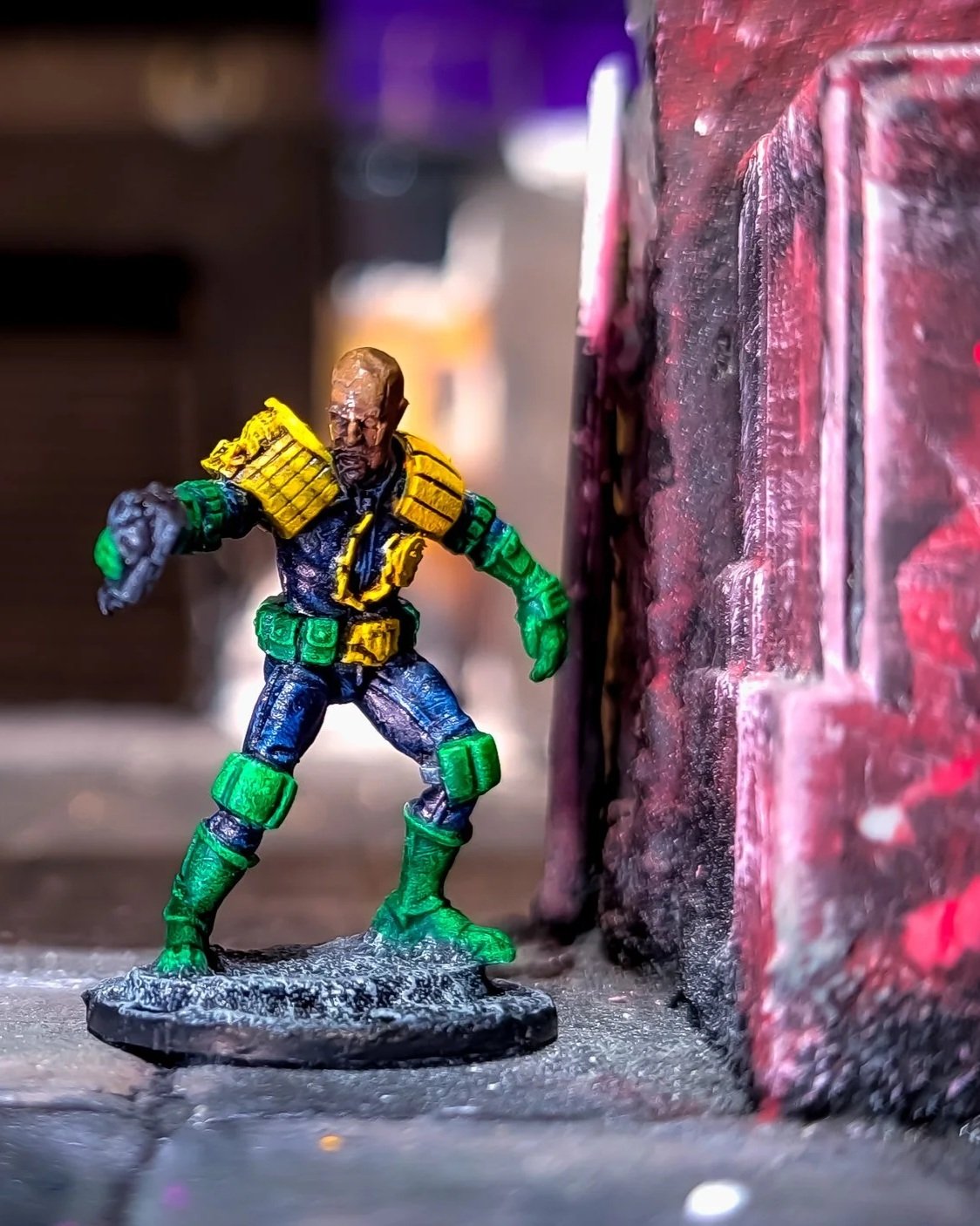
Oberon Glaw is one of the most controversial senior Judges ever assigned to Sector House 102. Once regarded as a future Marshal of Luna One, Glaw’s meteoric rise through the ranks came to a sudden and humiliating halt following the infamous Black Relay Scandal of 2137. A case that nearly tore Sector 102 command apart from within.
Before the scandal, Glaw embodied everything Justice Department leadership prized: ruthless efficiency, strategic brilliance, and absolute emotional control. His clearance record was exceptional, his conviction ratios among the highest in the sector, and his handling of riot suppression operations earned him widespread recognition within Central Command. By the age of forty-three, he had already become one of the youngest Sector Chiefs in MegEast history.
Then came the Black Relay incident: An encrypted communications relay hidden beneath an abandoned transit spine in the Undercity was discovered to have been transmitting sealed Justice Department tactical data directly into criminal networks operating throughout Sectors 102 and 108. Armed gangs appeared able to predict Judge deployments with alarming precision. Raids failed. Ambushes multiplied. Entire patrol units vanished into kill-zones before backup could arrive.
Internal investigations quickly narrowed suspicion toward Sector House command itself, and all roads led to Oberon Glaw.
The evidence was circumstantial but deeply troubling. Access protocols tied to Glaw’s command authorizations had appeared repeatedly throughout the compromised systems. Financial records showed irregular movement through shell accounts linked to known city-front corporations later exposed as fronts for the Narco Syndicates. Worse still, several Judges under Glaw’s direct authority were arrested attempting to destroy evidence archives during the early hours of the SJS inquiry.
For weeks, many believed Glaw’s conviction inevitable. But the confession never came. Special Judicial Squad interrogators subjected Glaw to exhaustive psychic scans, chemical truth verification, and extended isolation review. Officially, no conclusive evidence could place him at the center of the conspiracy. Glaw maintained his innocence throughout the investigation with an almost unnerving calm, insisting he had been manipulated by individuals inside his own command structure. Eventually, the charges collapsed.
Officially exonerated, Glaw avoided Titan, but the damage was irreversible. Justice Department could not publicly condemn him. But neither could they fully trust him again. Rather than disappear him into the iso-cubes or assign him to a dead-end Cursed earth posting, Central Command opted for a quieter punishment. Glaw was stripped of his title as Sector Chief and reassigned as Deputy Sector Chief under newly appointed leadership. A humiliation. One he accepted without protest.
Many expected Glaw to resign. He never did. Years later, he remains in Sector House 102, serving beneath leaders significantly younger and less experienced than himself. His presence creates a strange tension throughout the building. Junior Judges see him as a ghost of fallen authority, a living reminder that even the highest ranks stand one accusation away from ruin.
Some believe he was guilty. Others believe he was sacrificed to preserve confidence in the Department. The truth remains uncertain.
What makes Glaw unsettling is not anger, nor bitterness, but composure. He carries himself with the same cold professionalism he possessed before the scandal. He attends briefings. Reviews casualty reports. Oversees tactical deployments. Issues corrections with clinical precision. Never defensive. Never emotional. Never explaining himself. That silence unnerves people more than any denial ever could. Even among Judges who distrust him, few deny Glaw’s operational brilliance. Sector 102’s overnight response grid was largely rebuilt from systems he designed personally after the Black Relay disaster. Patrol survival rates improved under his restructuring, and several major gang crackdowns succeeded specifically because of Glaw’s predictive deployment models. Ironically, the man many suspect of betraying the sector may also be the reason it still functions. Judge Kinsky, one of the few commanders willing to work closely alongside Glaw, reportedly trusts his instincts completely. The two share an unusual professional understanding—Kinsky reading the “vibes” of the streets while Glaw interprets the machinery of institutional decay behind them. Together, they form an effective but deeply uneasy command structure. One understands the city. The other understands corruption. And somewhere between them lies the truth of what really happened beneath Sector House 102.